

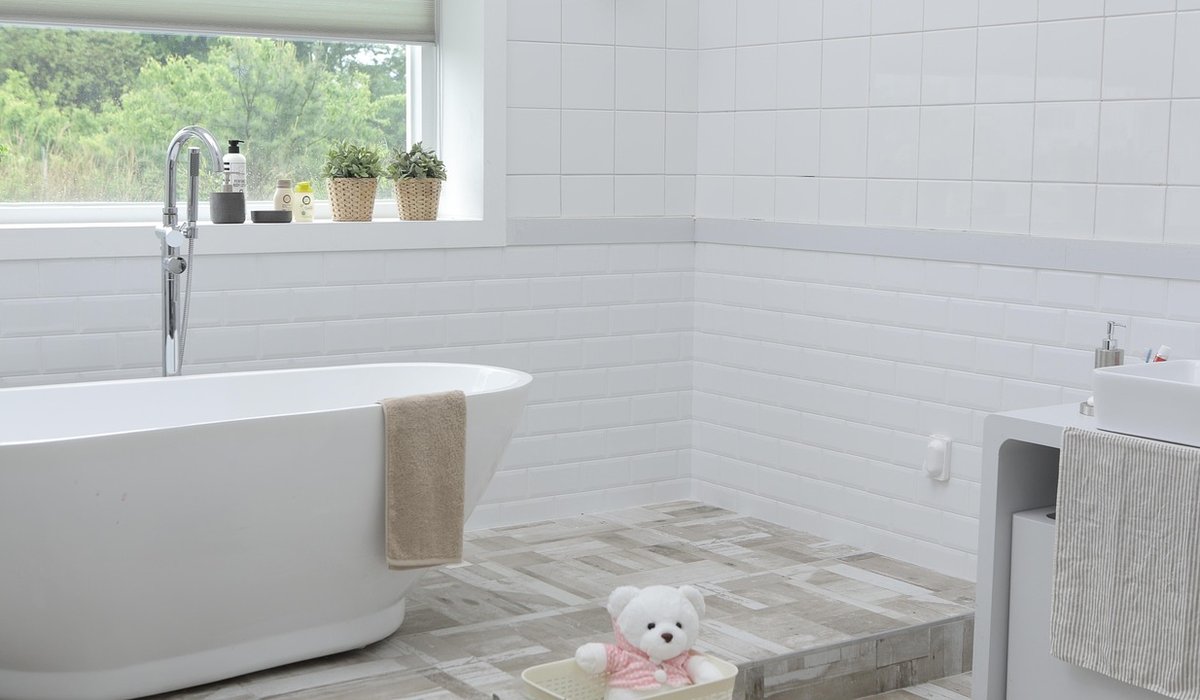
Using Mirrors and Light to Make Small Rooms Feel Bigger
Start With the Light You Already Have
Most small rooms in UK homes are not actually that small. A Victorian terrace box room, a galley kitchen, a narrow hallway in a 1930s semi — these spaces rarely fail because of floor area. They fail because light gets swallowed before it reaches the back of the room, and because every surface tells your eye where the walls are. Fix those two things and a 2.4 by 3 metre room starts to feel generous.
So before you buy anything, spend an afternoon watching how the light moves. Note where the sun lands at 9am and where it has gone by 4pm. North-facing rooms stay cool and grey all day and need warmer tones to compensate; south-facing rooms can take cooler, crisper shades because the light itself is golden. Everything below works best when it is matched to what your windows actually do.
Place Mirrors Where the Light Actually Is
A mirror is not a magic window. It only doubles what is already in front of it, which is why placement matters far more than size. The single most effective move in almost any small room is a large mirror on the wall directly opposite the main window. It catches the daylight, throws it back across the floor, and gives the illusion of a second opening.
- Go big, not numerous. One mirror around 60–80% of the window's width reads as a second window. Six small mirrors read as clutter.
- Watch the height. Hang the mirror so its centre sits roughly at eye level, around 1.5 metres from the floor, and aim it at the view rather than the ceiling.
- Use the hallway trick. A slim full-length mirror at the far end of a corridor extends the sightline and stops a narrow passage feeling like a tunnel.
- Mirror the alcoves. In period homes, mirrored panels inside chimney-breast alcoves bounce light sideways across the room and make the recess disappear.
- Double your lamps. A mirror positioned behind a table lamp or beside a floor lamp effectively gives you two light sources for the price of one.
- Avoid mirror-on-mirror. Two mirrors facing each other create a confusing, slightly seasick effect. One strong reflection is plenty.
If a mirror will sit opposite a dark doorway or a blank stretch of wall, move it. Reflecting nothing is worse than no mirror at all. Tilt a mirror very slightly forward if your only available light comes from above; a few degrees is enough to catch it.
Choose Pale Walls — and Mind the Finish
Deep colours can be wonderful in small rooms, but only when the room already has good light. If yours does not, pale walls are doing real work: they reflect rather than absorb. Warm off-whites, chalky pale greys, soft sage and gentle pink-based neutrals all flatter UK daylight, which tends toward the cool and blue.
Finish matters as much as colour. Matt emulsion on walls gives depth and hides imperfections, but it absorbs light. Balance it with a lower-sheen finish — eggshell or a washable mid-sheen — on woodwork, doors and skirting, where the bounce is most useful. Ceilings should be painted in the same tone as the walls or one shade lighter, not brilliant white, which can look chalky and grey in a north-facing room. Paint tester pots onto all four walls, not a single patch, and check them in the morning and evening before committing.
Keep Furniture Low and Sightlines Clear
Your eye judges a room partly by how much floor it can see. Anything that interrupts that continuous run of floorboards makes a space feel tighter, so choose furniture that sits on legs and lets the floor flow underneath.
- Measure your walking space first. Leave at least 60 centimetres of clear floor between furniture pieces wherever people need to pass.
- Lower the sofa. A shallow sofa under about 90 centimetres deep with slim arms and visible legs takes up far less visual room than a deep, rolled-arm model.
- Ditch the footboard. A bed with a low or upholstered headboard and no footboard keeps the room open from the door.
- Build wardrobes in. Floor-to-ceiling built-in storage in a pale colour reads as part of the architecture, unlike a chunky freestanding wardrobe.
- Round off the dining area. A round pedestal table with benches tucked underneath frees up corners and moves easily when you need space.
- Choose glass and acrylic sparingly. One glass side table is elegant; a room full of transparent furniture can feel cold and temporary.
Layer the Light So Nothing Sits in Shadow
A single ceiling pendant is the fastest way to make a small room feel flat and dim. Aim for at least three sources of light at different heights: an overhead fitting, a floor or table lamp, and something at mid-level such as a wall light or picture light. Put every one of them on a dimmer if you can.
Use warm bulbs around 2700K and keep the lampshades pale and translucent — linen, alabaster or opal glass — so light passes through rather than being trapped. Wall uplighters wash the ceiling and make it feel higher, which matters enormously in rooms with low ceilings. Avoid recessed downlighters that leave pools of brightness and dark corners between them; a soft, even wash always reads as more spacious.
Small Details That Add Up
Hang curtains at ceiling height rather than just above the window, and extend the pole 15–20 centimetres beyond the frame on each side. This makes the window appear bigger and pulls the eye upward. Keep windowsills clear or styled with just one or two pale objects, and never box a radiator in with a heavy cabinet.
Finally, treat the horizontal surfaces. A small room with three tidy surfaces and one large mirror will always feel bigger than the same room lined with small ornaments. Clear the coffee table, edit the shelves, and take a photo of the room from the doorway before and after your changes — the camera is far harsher than your eye, and it will show you instantly whether the light is bouncing where you want it to.


Interiors
-
Use a slim desk, floating shelves and vertical storage to create a productive workspace that can be packed away in a small corner.

Kitchens


-

Long established fact that a reader will be distracted
-

Long established fact that a reader will be distracted
-

Long established fact that a reader will be distracted


Renovation
Karla Gleichauf
12 May 2017 at 05:28 pm
On the other hand, we denounce with righteous indignation and dislike men who are so beguiled and demoralized by the charms of pleasure of the moment
M Shyamalan
12 May 2017 at 05:28 pm
On the other hand, we denounce with righteous indignation and dislike men who are so beguiled and demoralized by the charms of pleasure of the moment
Liz Montano
12 May 2017 at 05:28 pm
On the other hand, we denounce with righteous indignation and dislike men who are so beguiled and demoralized by the charms of pleasure of the moment