

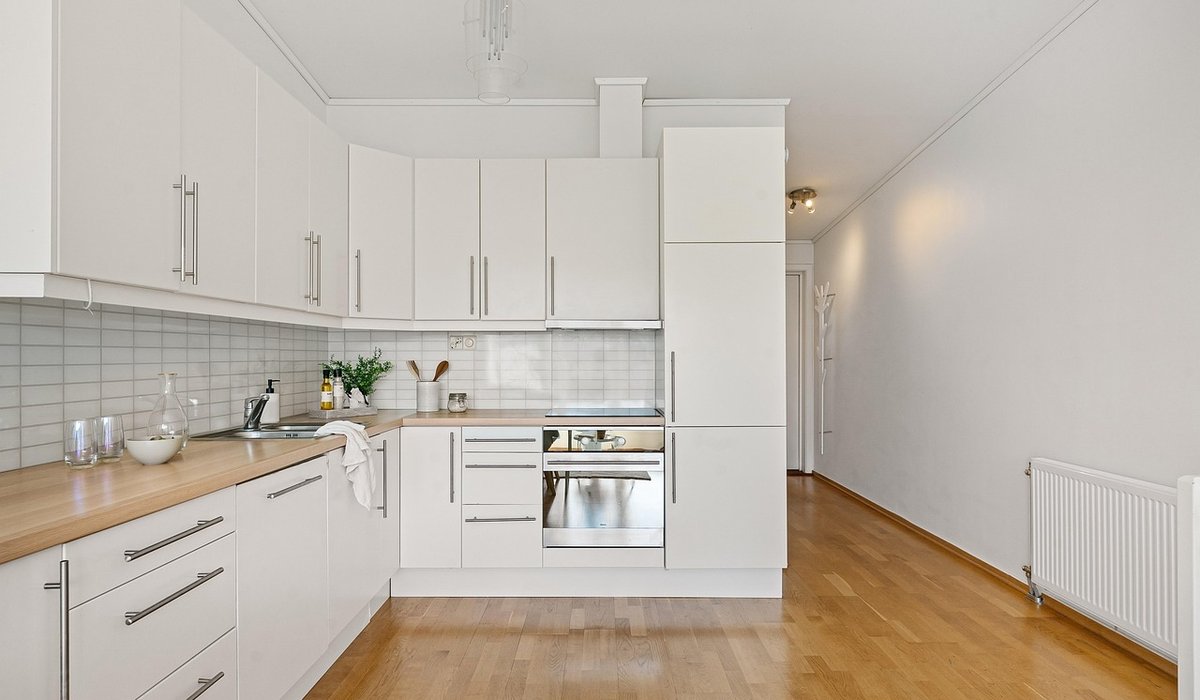
Updating a Room with Paint and New Hardware
A tired room can be transformed without touching the plaster or ripping out the kitchen. Two things do most of the heavy lifting: a fresh coat of paint and new hardware. Between them, they can take a dated, scuffed space and make it feel considered, calm and current — usually for a few hundred pounds rather than a few thousand.
The trick is to be methodical. Paint carefully chosen and properly applied lasts years, whereas a rushed job on unprepared surfaces will start peeling within months. Let us walk through the whole process, from choosing the right tin to fitting the final cupboard knob.
Why paint and hardware punch above their weight
Paint changes the way light moves around a room. A dark hallway painted in a warm off-white suddenly feels twice the size, while a north-facing living room in a muddy grey can be lifted with a soft sage or a clay-toned neutral. Colour also disguises the things you cannot afford to replace: an uneven wall, an old chimney breast, a boxed-in pipe run.
Hardware works differently. It is the jewellery of a room. New handles on kitchen cabinets, a sleek brass light switch, a simple pendant shade — these small details signal that a space has been thought about. They also date a room faster than anything else. A 1990s brass-effect cupboard pull will drag down even a beautifully painted kitchen, while a matt black bar handle instantly reads as contemporary.
Do both at once and the effect compounds. The paint gives you a clean canvas; the hardware gives it personality.
Choosing the right paint for walls and woodwork
British homes throw a lot at their paint. Damp corners, condensation on window reveals, hallways that take a beating from school bags and dog leads. Match the product to the job:
- Ceilings and low-traffic walls: a good matt emulsion. It hides imperfections and gives that soft, chalky finish.
- Hallways, kitchens and children's rooms: washable matt or a durable emulsion. You will pay more per litre and be grateful every time you wipe a scuff away.
- Woodwork — skirting, architraves, doors: water-based satinwood or eggshell. It dries in a couple of hours rather than overnight, and it will not yellow the way oil-based gloss does.
- Kitchen cabinet doors: a specialist cabinet paint or a hard-wearing eggshell, not standard emulsion.
A 2.5-litre tin of emulsion covers roughly 30 square metres per coat, so measure your walls before you buy. Always buy tester pots and paint an A4 patch, then look at it in daylight, at dusk, and with the lamps on. Colours shift dramatically under artificial light, and a shade that looks soft and inviting in the shop can turn cold and grey by teatime.
Prep work: the half-hour that saves the whole job
This is the part people skip, and it is the reason their paint fails. Spend the time and everything afterwards becomes easier.
- Wash walls and woodwork with a sugar soap solution to remove grease and nicotine film. Rinse and let dry.
- Fill cracks and old screw holes with a fine filler, then sand flush with 120-grit paper, finishing with 180-grit for a smooth edge.
- Run a bead of decorator's caulk along the joint between skirting and wall, and around door frames, then smooth it with a damp finger.
- On bare or previously varnished timber, treat knots with a shellac-based primer so resin does not bleed through.
- Mask the edges you cannot cut in neatly by hand, and lay dust sheets properly — paint drips travel further than you think.
Painting walls and woodwork in the right order
Work top to bottom: ceiling first, then walls, then woodwork, then the floor. This way any drips land on surfaces you have not yet painted.
Cut in a 5cm band along the ceiling line and into corners with a good angled brush, then roll the main field in a large W pattern and blend it out before it dries. Two thin coats always beat one thick one. If you are painting a strong colour over a pale wall, expect three.
For woodwork, paint the door frame first, then the door edges, then the panels and finally the flat faces. Lightly sand between coats with fine paper to key the surface — this is what separates a professional-looking finish from a slightly lumpy one. Remove door handles and cupboard knobs before you start rather than taping around them.
New cabinet hardware: small details, big difference
If you are updating a kitchen, this is where the biggest visual change comes from for the least money. But measure carefully before ordering.
- Hole centres: measure from the centre of one screw hole to the centre of the other, in millimetres. Common sizes are 96mm, 128mm and 160mm. Getting this wrong means drilling new holes and filling the old ones.
- Screw length: most cabinet doors are 18mm thick, so 22mm screws are usually right. Too long and you will puncture the door face.
- Drill a pilot hole and use a handle jig if your doors have no existing holes, so every pull sits at the same height.
- Keep the finish consistent. Mixing brushed brass with chrome across one kitchen rarely works. Pick one metal and repeat it on the taps, handles and light switches.
Do not forget hinges — a quick quarter-turn on the adjusting screw can straighten a door that has sagged, which costs nothing at all.
Updating lighting and switches
Swapping a dated light fitting is quicker than most people expect, and it changes how the whole room reads. Choose warm white bulbs around 2700K for living spaces; anything cooler starts to feel clinical. For a bathroom, check the fitting is rated for the zone it sits in.
Switch plates are the quiet upgrade nobody notices consciously but everybody feels. Replacing yellowed plastic with a brushed metal or screwless white plate takes ten minutes per room. Always isolate the circuit at the consumer unit first and test that it is dead before touching anything. If the wiring looks unfamiliar or the ceiling rose is full of mystery cables, call a registered electrician — it is money well spent.
None of this is complicated. It is just a weekend, a few tins of paint, a screwdriver and a bit of patience. The room you end up with will feel less like a compromise and more like somewhere you actually chose.


Interiors
-
Clean, sand and repaint second-hand pieces, then reupholster or add new hardware to create unique furniture that suits your home's style.

Kitchens


-

Long established fact that a reader will be distracted
-

Long established fact that a reader will be distracted
-

Long established fact that a reader will be distracted


Renovation
Karla Gleichauf
12 May 2017 at 05:28 pm
On the other hand, we denounce with righteous indignation and dislike men who are so beguiled and demoralized by the charms of pleasure of the moment
M Shyamalan
12 May 2017 at 05:28 pm
On the other hand, we denounce with righteous indignation and dislike men who are so beguiled and demoralized by the charms of pleasure of the moment
Liz Montano
12 May 2017 at 05:28 pm
On the other hand, we denounce with righteous indignation and dislike men who are so beguiled and demoralized by the charms of pleasure of the moment