

Selecting Durable Worktops for Busy Family Kitchens
Start With How Your Family Actually Uses the Kitchen
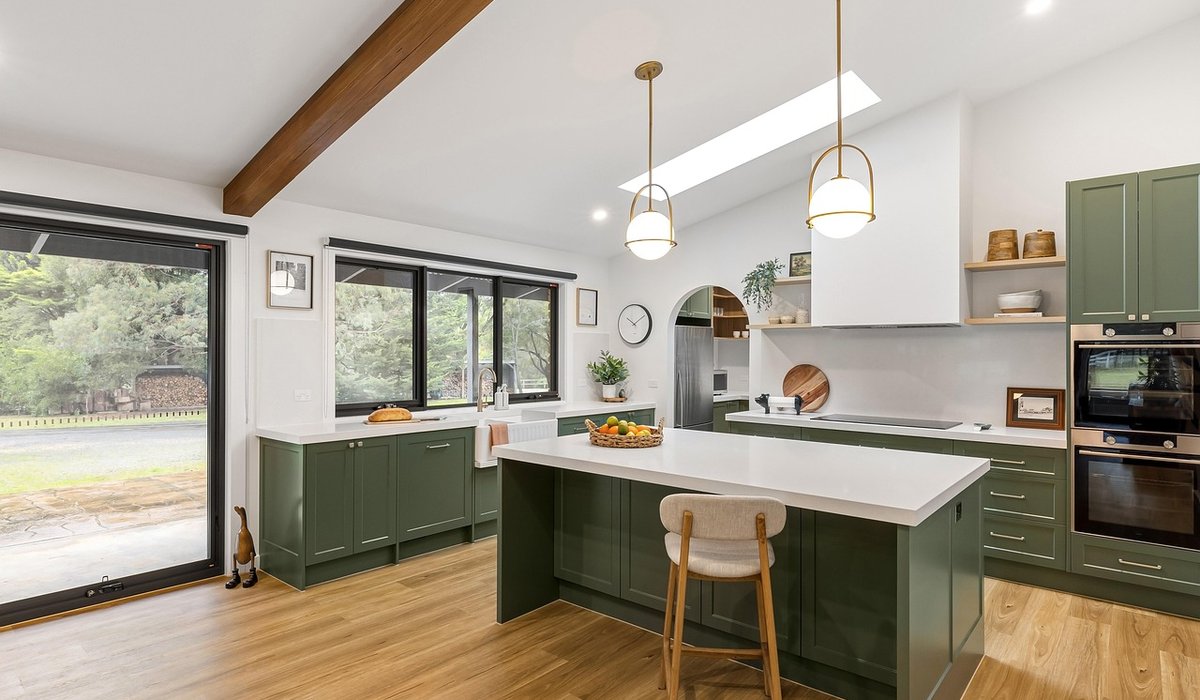
The right worktop is not the one that looks best in a showroom, it is the one that still looks respectable after five years of breakfasts, homework, biscuit crumbs and hot pans briefly put down in the wrong place. Before you fall for a finish, spend a week noticing where the wear really happens. Most busy family kitchens take a beating in three zones: the sink run, where water splashes and dishcloths sit damp; the hob surround, where heat and oil land; and the island or breakfast bar, where children lean, eat and lean again.
Ask yourself a few practical questions. Are the kids still at the age of tap-tapping with cutlery? Do you chop directly on the worktop? How often does a baking tray come out of the oven and get dumped down? Do you want to wipe and forget, or are you happy to oil and fuss a little? Quartz, solid laminate and treated wood all suit busy homes, but they ask for different things in return.
- Quartz for low-maintenance hardiness and a crisp, uniform look.
- Solid laminate for budget-friendly toughness and easy cleaning.
- Treated wood for warmth, repairability and character, with a bit more care.
Quartz: The Low-Stress Workhorse
Quartz is engineered stone, usually around 90 to 95 per cent ground quartz bound with resin. That makes it non-porous, so it does not need sealing, does not stain easily and shrugs off everyday scratches far better than laminate. For a family kitchen it is the closest thing to a wipe-and-forget surface, which is why it dominates mid-to-high-end refurbishments.
Heat is its weak point. Never put a pan straight off the hob onto quartz; the resin can scorch, discolour or, in stubborn cases, crack. Use a trivet or a wooden board as a matter of habit, and be aware that very pale plain whites show every crumb, smear and ring mark, while a speckled or mid-tone stone hides far more.
Expect roughly £250 to £500 per square metre installed, depending on the range and edge detail. Square edges with a slight radius on the corners are kinder to elbows and toddler heads than a hard ninety-degree corner. A mitred edge lets you keep a slim 20mm slab while giving the chunky 40mm look many people want. Quartz is heavy, so base units need to be solid and level, with extra battens where spans or cut-outs weaken the run.
Solid Laminate: Tough, Practical and Budget-Friendly
Solid laminate is not the thin veneered chipboard of old. It is made from layers of resin-soaked paper pressed into a dense, non-porous sheet, usually around 12 to 13mm thick, often finished with a mitred edge and trim to mimic a 40mm worktop. It is hygienic, easy to wipe, and resists moisture well, which makes it a sensible choice for utility rooms, rental kitchens and family homes where the budget needs to stretch further.
It can be joined almost invisibly with the correct joint kit, so L-shaped and U-shaped runs look seamless rather than cobbled together. The trade-offs are heat and repairability: hot pans will mark it, sometimes permanently, and deep scratches cannot be sanded out the way wood can. Light speckles and mid-tone patterns hide crumbs and scuffs better than flat, glossy dark finishes. For busy households, it is the best value of the three and forgiving of everyday chaos.
Treated Wood: Warmth That Needs a Little Looking After
Solid oak, beech, iroko and walnut worktops bring a softness and warmth that stone and laminate cannot quite match, and they are lovely to chop on. They are also repairable: a scratch can be sanded away, and a stain can sometimes be lifted with a light rub. But wood is porous and moves with moisture, so it needs proper care from day one.
Expect to oil it thoroughly when it is installed, then every three to six months, more often in the first year and around sinks. Wipe up standing water promptly, never leave wet washing-up on the surface, and use a food-safe oil rather than a varnish. A deep re-sand every five to ten years will bring it back to new.
- Best placed on islands, breakfast bars and prep areas away from the sink and hob.
- Pair with drainer grooves or a small stainless prep zone for wet work.
- Allow for slight seasonal movement and an expansion gap at walls and edges.
Edges, Overhangs and Thickness: The Details That Decide Wear
Edge profile matters more than most people expect. Bullnose and rounded edges are safer for small children and comfortable for elbows; square or chamfered edges are easier to clean and look sharper in modern kitchens; mitred edges add visual weight without adding bulk. Every outside corner should be radiused slightly, particularly on islands where children run past.
Overhang is another practical decision. A 20 to 30mm overhang over base units lets you wipe crumbs straight into your hand. For breakfast bar seating you need 300mm of overhang plus proper support brackets, otherwise the worktop will flex and eventually fail. Upstands of around 100mm protect the wall behind the sink and hob, but consider a taller splashback where frying happens. With laminate, sinks are usually inset, which leaves a cut edge to seal carefully; with quartz and solid surface, undermount sinks give a cleaner, more hygienic finish. Always leave an expansion gap and keep heat-generating appliances such as dishwashers, washing machines and ovens from blasting directly beneath the surface.
Maintenance, Templating and Ordering Bespoke Worktops
Ordering bespoke worktops is really about timing and detail. For quartz and solid laminate, templating usually happens after the base units are fitted and confirmed level, and most suppliers want one to two weeks from template to installation. Before templating, you must have chosen the exact sink, tap and hob models, because cut-outs, tap holes, waste holes and cable slots are all made at that stage. Getting this wrong is expensive to fix.
Always ask for physical samples and look at them in your own kitchen light, morning and evening. Check the warranty, ask who fits and what happens if a joint or cut-out fails, and request written care instructions. Then set a simple routine: wipe daily, use trivets and chopping boards, reseal or oil on schedule, and avoid abrasive creams. Choose for your household rather than for the photograph, and your worktop will still look presentable long after the first school run has been forgotten.


Interiors
-
Use drawer dividers, carousel corners and pull-out racks to reach awkward cupboards, keeping everyday items visible and reducing clutter on worktops.

Kitchens


-

Long established fact that a reader will be distracted
-

Long established fact that a reader will be distracted
-

Long established fact that a reader will be distracted


Renovation
Karla Gleichauf
12 May 2017 at 05:28 pm
On the other hand, we denounce with righteous indignation and dislike men who are so beguiled and demoralized by the charms of pleasure of the moment
M Shyamalan
12 May 2017 at 05:28 pm
On the other hand, we denounce with righteous indignation and dislike men who are so beguiled and demoralized by the charms of pleasure of the moment
Liz Montano
12 May 2017 at 05:28 pm
On the other hand, we denounce with righteous indignation and dislike men who are so beguiled and demoralized by the charms of pleasure of the moment