

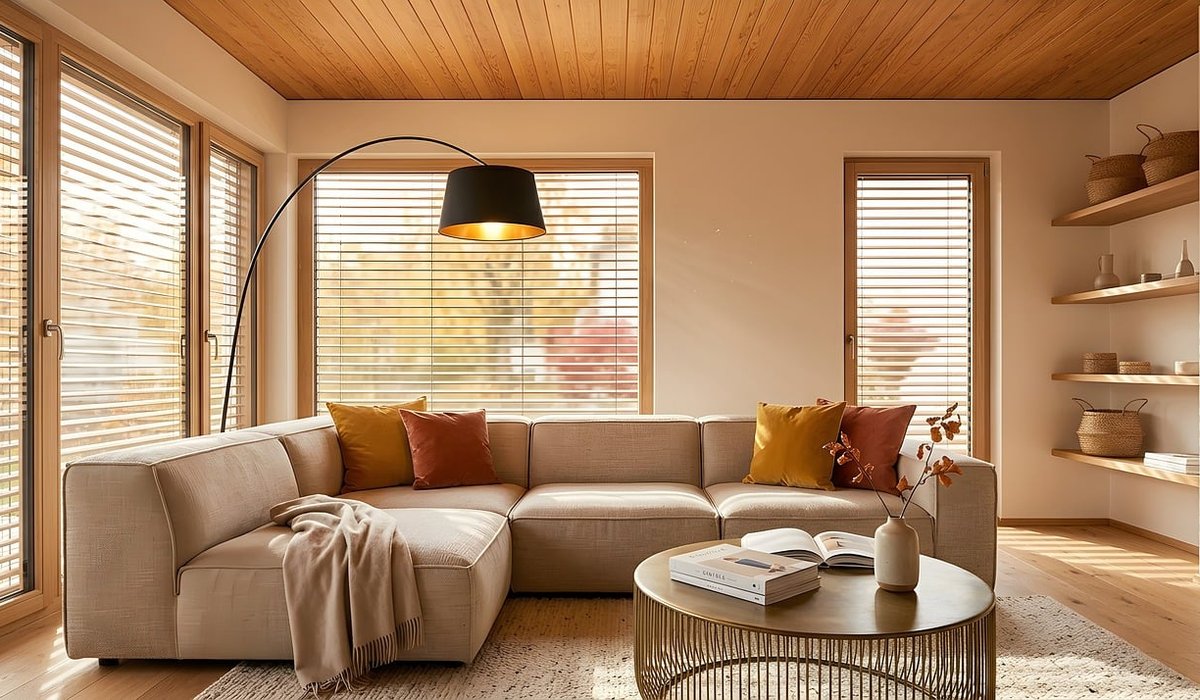
Mixing Vintage and Modern Furniture with Confidence
Why the Mix Works Better Than a Matching Suite
Walk into a room where everything was bought in one afternoon and it can feel a bit flat. A brand new sofa, a matching armchair, a coordinating coffee table and a rug from the same collection. Nothing is wrong, exactly — but nothing tells a story either. That is why the most interesting British homes tend to be the ones where a Victorian chest of drawers sits beside a sleek modern sofa, or a mid-century sideboard holds a contemporary lamp.
Mixing eras is not about being clever. It is about contrast: old pieces bring warmth, patina and a sense of history, while new pieces bring clean lines and breathing space. Get the balance right and a room feels collected, as though it has grown over time. Get it wrong and it looks like a jumble sale. The difference comes down to a few repeatable rules.
Repeat Colours to Tie the Room Together
Colour is the cheapest and most reliable way to make unrelated pieces look as though they belong together. Pick two or three colours and repeat them at least three times around the room, regardless of the era of the object they appear on.
Say you have a deep green velvet sofa. That green can reappear on a vintage glass lampshade, a framed print, and a cushion on a wooden dining chair. The eye reads the repetition and quietly files everything under "matching", even though the pieces have nothing else in common.
- Use a simple ratio. Roughly 60 per cent of a room's colour from your neutral base (walls, floor, large upholstery), 30 per cent from a secondary tone, and 10 per cent from an accent you can move around freely.
- Keep old wood in the mix. Oak, mahogany, walnut and teak all behave as neutrals in a mixed scheme. Do not strip them back to bare timber in an attempt to modernise.
- Choose a metal and stick with it. Brass and antique gold flatter vintage pieces; black metal and brushed steel lean modern. One dominant finish, with the other appearing once or twice, keeps things calm.
Layer Textures and Finishes
Era is the obvious difference, but texture does just as much work. A room where everything is smooth — lacquered furniture, gloss paint, flatweave rug, linen sofa — feels cold, however tasteful. A room where everything is rough — bare brick, chunky wool, reclaimed timber — can feel heavy.
Aim to have something smooth, something soft and something a bit rough within reach of every seat. In practice that might be a sleek modern side table, a chunky knitted throw over a vintage armchair, and a woven jute rug underneath. Add one reflective surface, such as a mirror, a glass-topped coffee table or a polished brass lamp, so the light has somewhere to bounce.
Fabric is where you can be boldest. Pair a modern boucle or velvet with a vintage wool blanket or a hand-block-printed cotton. Textiles are easy to change, inexpensive to test, and they soften the join between an antique and something bought last week.
Vary Proportions, Not Just Periods
A common mistake is to match eras by scale: putting a delicate Victorian chair beside a spindly modern table, or two chunky pieces side by side. Instead, pair opposites. A slim, low modern sofa benefits from a substantial armoire or a heavy old chest behind it. A big, generous vintage sofa can take a pair of neat, contemporary side tables without feeling crowded.
Think about heights as well. In a room with high ceilings — a Georgian townhouse, an Edinburgh tenement flat, most Victorian terraces — low furniture can look stranded. Add something tall: a slim bookshelf, a standard lamp, or a large framed print hung higher than you might expect.
- Rugs should be generous. In a living room, the rug should sit under at least the front legs of every seat. A rug that is too small makes the furniture look as though it is standing on a postage stamp.
- Leave the odd gap. Do not fill every wall. Empty floor and a bit of wall between pieces lets each one register.
- Keep sightlines low in the middle. Coffee tables and footstools at or below seat height keep a mixed room feeling open rather than cluttered.
Where to Find Pieces and How to Choose Them
Charity furniture shops, local auction houses, car boot sales, online marketplaces and house clearance sales are all reliable hunting grounds, and they tend to be far cheaper than buying new. Go with a list of measurements saved in your phone — a piece that "might fit" almost never does once you are trying to get it through the front door.
When you are browsing, ask one question: does this bring a colour, a texture or a shape the room does not already have? If it does not, leave it. That single filter stops you bringing home a fifth wooden chair simply because it was a tenner.
Edit Ruthlessly Once the Room Is Full
Mixing well is mostly about editing. Once a room is furnished, take a photograph of it from the doorway and look at the picture, not the room. Problems show up quickly: three competing accent colours, two chunky pieces fighting for the same corner, a rug that stops short of the sofa.
Then remove something. Take one object off every surface — the mantelpiece, the sideboard, the coffee table — and live with it for a week. Most rooms improve. Vintage pieces in particular read better with space around them, because their shape and grain are the point.
Finally, let the mix be a little uneven. A room that is fifty-fifty old and new looks calculated; a room that is closer to seventy-thirty, with the majority leaning whichever way suits the building, looks natural. Your home has its own proportions and quirks, and the best scheme is the one that answers them rather than fighting them.


Interiors
-
Check head height, roof structure, party wall agreements and planning rules before committing, as these factors shape cost, timeline and usable floor area.

Kitchens


-

Long established fact that a reader will be distracted
-

Long established fact that a reader will be distracted
-

Long established fact that a reader will be distracted


Renovation
Karla Gleichauf
12 May 2017 at 05:28 pm
On the other hand, we denounce with righteous indignation and dislike men who are so beguiled and demoralized by the charms of pleasure of the moment
M Shyamalan
12 May 2017 at 05:28 pm
On the other hand, we denounce with righteous indignation and dislike men who are so beguiled and demoralized by the charms of pleasure of the moment
Liz Montano
12 May 2017 at 05:28 pm
On the other hand, we denounce with righteous indignation and dislike men who are so beguiled and demoralized by the charms of pleasure of the moment