

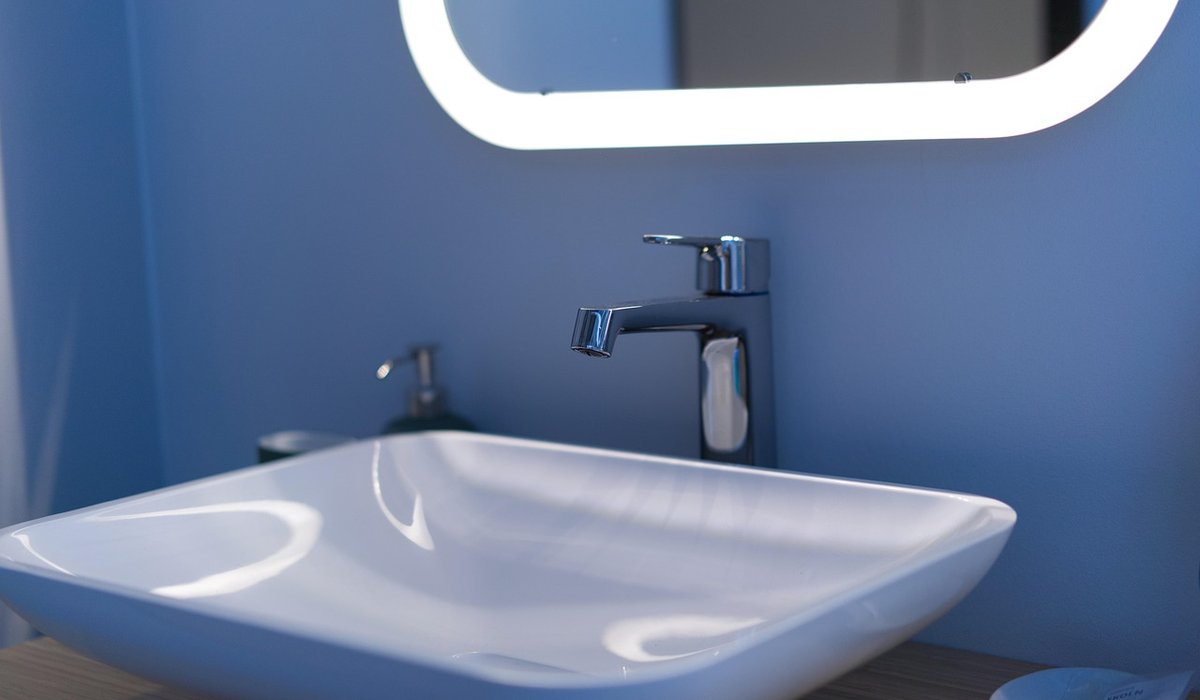
Adding Period Features to a Plain Modern Living Room
Start with the Room, Not the Moulding
Before you order a single length of cornice, spend time looking at your living room as it is. A plain modern box — often with a 2.4 metre ceiling, square corners and flush skirting — has its own quiet logic. Period features work best when they feel inevitable rather than applied. Measure the ceiling height, the width of the room, and the position of windows and doors. Note where light falls and where the eye travels. If the ceiling is low, a deep cornice will crowd the space; if the room is wide, a skinny skirting will look lost. The goal is not to fake a Victorian villa, but to add layers of character that suit the room you actually have.
Proportions: The Golden Rules for Cornice and Skirting
Proportion is everything. As a rough guide, cornice depth should be between 5% and 7% of the ceiling height. For a 2.4 metre ceiling, that means a cornice of 75mm to 100mm. For a 2.7 metre ceiling, look at 100mm to 150mm. Above 3 metres, you can go up to 200mm without feeling heavy. Skirting boards should be roughly 1.5 times the depth of the cornice. So a 100mm cornice pairs well with a 150mm skirting. In rooms with ceilings over 2.7 metres, a 200mm to 250mm skirting adds pleasing weight. Ceiling roses are often overdone: a diameter of about one-twelfth of the room's width is a safe maximum, and for most living rooms that means 400mm to 600mm. If you have a pendant light, the rose should be just a little wider than the light's canopy — no more than 100mm larger.
Choosing Cornices and Ceiling Roses with Confidence
Period styles vary. Georgian cornices tend to be simple and elegant, often just a cove or a stepped band. Victorian and Edwardian designs are more ornate, with egg-and-dart or acanthus motifs. For a plain modern room, a simple cove or a small stepped cornice usually looks best. Avoid deep, heavily decorated profiles unless your ceiling is high and your room is large. Ceiling roses come in two main types: flat and shallow for low ceilings, or domed and detailed for taller spaces. Plaster is the traditional choice, but lightweight polyurethane reproductions are easier to install and paint. Whichever you choose, make sure the rose is centred on the light fitting, not the room, unless the ceiling is perfectly symmetrical.
Skirting Boards, Architraves and Mid-Wall Details
Skirting boards anchor a room. A simple torus or chamfered profile suits most period-inspired schemes. Avoid overly ornate profiles if your cornice is plain. Architraves around doors and windows should match the skirting in style and roughly in width — usually 75mm to 100mm. If you want to add a picture rail, place it at about two-thirds of the wall height; it draws the eye upward and can make a low ceiling feel taller. A dado rail at 900mm to 1000mm adds a traditional feel, but only if the room is tall enough to carry it. In a small modern living room, stick to cornice, skirting and a ceiling rose; too many horizontal lines will chop up the walls.
Finishes and Colours That Suit the Age of Your Home
The finish you choose matters as much as the profile. For a period look, woodwork is usually painted in eggshell or satin, not high gloss. Off-white, stone, muted sage, or a soft grey all work well. If your home is Victorian or Edwardian, richer colours — deep greens, burgundies, or earthy browns — feel appropriate. For a Georgian-style room, keep to pale greys, blues, and creams. Paint the cornice and ceiling rose in the same colour as the ceiling, or one shade lighter, to make them recede. If you want them to stand out, paint them in a contrasting off-white. Always use a primer suitable for the material — plaster, polyurethane, or wood — and apply two thin coats rather than one thick one. A matt emulsion on walls with a 5% sheen and eggshell on woodwork with 20% sheen gives a subtle, authentic contrast.
Installation Tips and Common Mistakes to Avoid
Fitting period features is a job for patience. Cornice and ceiling roses need a clean, dry surface. Use a strong adhesive and filler, and support the cornice with temporary nails until it sets. Mitre internal and external corners carefully; a coping saw and a fine file will help. Fill any gaps with decorator's caulk before painting. Skirting boards should be fixed to the wall with screws and plugs, not just adhesive, especially if they are tall. The most common mistake is mixing too many profiles — a heavy cornice with a flimsy skirting, or a ceiling rose that overwhelms a small room. Another is ignoring the room's age: a 1960s bungalow will not suit a full Victorian suite. Buy samples, hold them against the wall, and live with them for a day. When in doubt, go simpler than you think. A plain modern living room with carefully chosen cornice, skirting and a modest ceiling rose will feel considered, warm and quietly characterful — not like a stage set.


Interiors
-
Use washable fabrics, hidden toy storage and durable flooring, then add personal touches that keep a busy family living room feeling welcoming and considered.

Kitchens


-

Long established fact that a reader will be distracted
-

Long established fact that a reader will be distracted
-

Long established fact that a reader will be distracted


Renovation
Karla Gleichauf
12 May 2017 at 05:28 pm
On the other hand, we denounce with righteous indignation and dislike men who are so beguiled and demoralized by the charms of pleasure of the moment
M Shyamalan
12 May 2017 at 05:28 pm
On the other hand, we denounce with righteous indignation and dislike men who are so beguiled and demoralized by the charms of pleasure of the moment
Liz Montano
12 May 2017 at 05:28 pm
On the other hand, we denounce with righteous indignation and dislike men who are so beguiled and demoralized by the charms of pleasure of the moment